I often get asked how to know what the sea will be like for a swim, is it going to be good swimming conditions?
I find the windy.com app is a brilliant one for reading the weather conditions and making a fairly good assessment of what to expect when you get to the beach.
Get to know your local spot; which direction does the beach face, it is protected by peninsulas on any side, is it a shallow shelf or does it have troughs? All these things will impact what the sea does as it meets the shore, at different times in the tide cycle, and depending which way the wind is coming from.
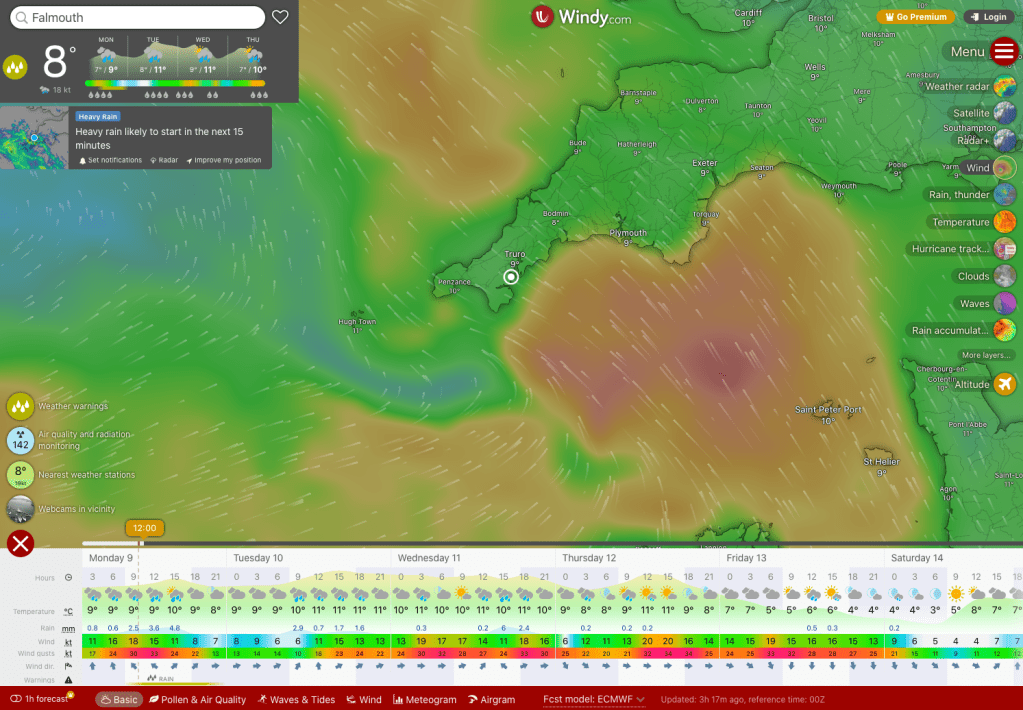
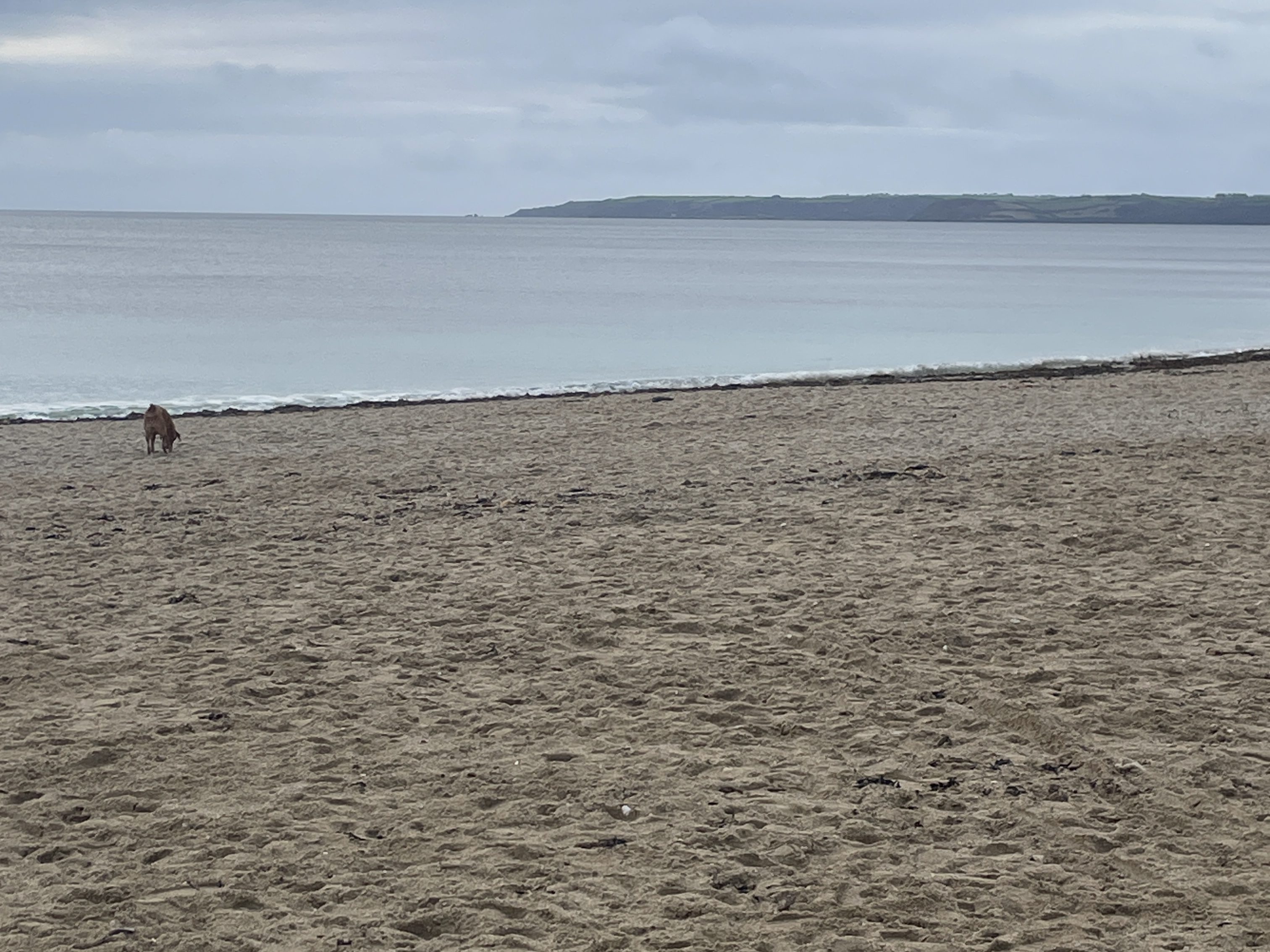
It is important to look at wind direction and speed. Usually if the wind is off shore (blowing out to sea) or cross shore (blowing horizontal to the shore) the sea will appear calmer and look more inviting for a swim, however the wind speed will impact this, it might be fine close to the beach but farther out you might find it is more choppy or lumpy that you expected, especially if your beach is quite sheltered.
Waves are generated by the speed and duration of the wind over distance, so a localised wind will create fetch or choppiness on the surface, and a wind travelling over a greater distance will create a swell or lines of waves that will break as they hit the beach. Choppy sea is probably hardest to swim in as there is little rhythm to the movement, causing the water to move at different heights and different directions making it clash together and be very unpredictable, this certainly makes front crawl a lot harder!
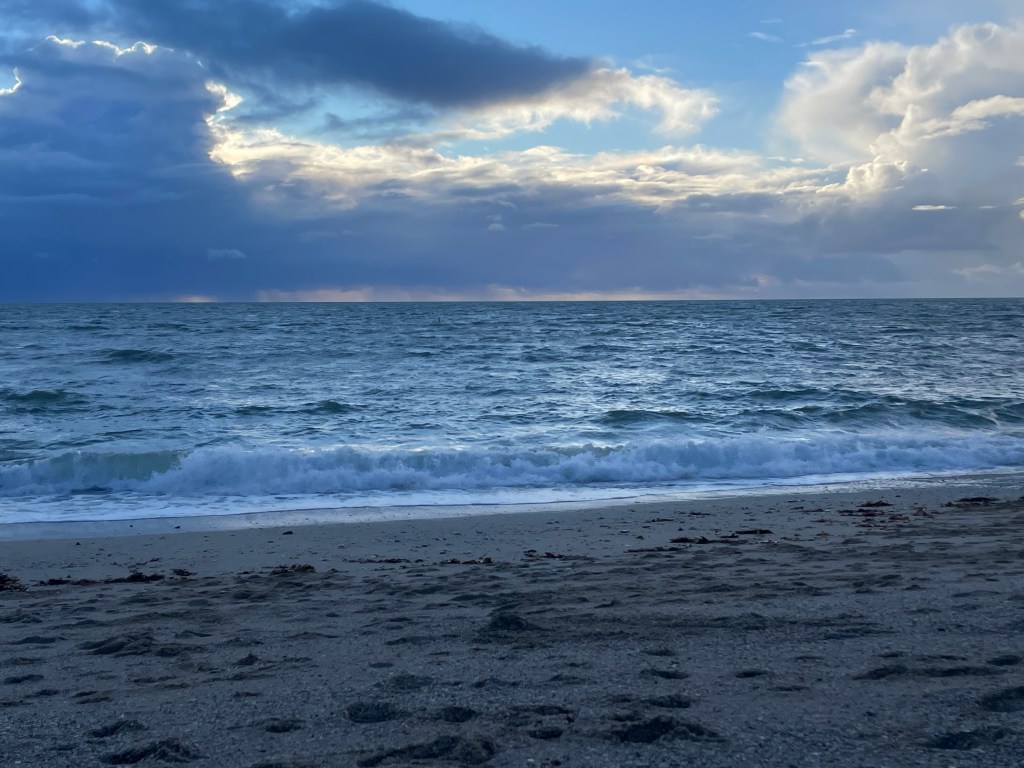
There are other hazards to be aware of:
Do not swim if thunder & lightning is forecast or arrives. Check the beach for known rip currents, these can occur at certain times in the tides, certain wind directions, or some are constantly present depending on the beach shape and geography.
Tides are also important to bear in mind when reading the weather, tide and wind directions combined can result in easily being pulled deeper into the water, and can increase wave sizes as water hits the shore. However, I think the importance of knowing the Tides deserves its own blog post altogether so watch this space!
 Sea Swim Coaching
Leave a comment